Does Alcoholism Run in Families?
My dad died at the young age of 57. He died from alcoholism. Being raised with an addict all my childhood, I told myself I would never drink… My main …
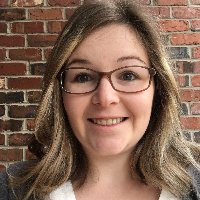
I am a Mental Health Counselor who is licensed in both New York (LMHC) and North Carolina (LCMHC). I have been working in the Mental Health field since 2015. I have worked in a residential setting, an outpatient program and an inpatient addictions program. I began working in Long Island, NY and then in Guelph, Ontario after moving to Canada. I have since settled in North Carolina. I have experience working with various stages of addiction, depression, anxiety, mood disorders, trauma, stages of life concerns and relationship concerns.
I tend to use a person-centered approach which simply means that I meet you where you are and work collaboratively to help you identify and work towards accomplishing goals. I will often pull from CBT when appropriate. I do encourage use of mindfulness and meditation and practice these skills in my own life. I believe in treating everyone with respect, sensitivity and compassion.
I recognize that reaching out for help is hard and commend you for taking the first step. We have professionals available who would be happy to help you move closer to reaching your goals related to your drinking concerns. You may reach these professionals by calling 877-322-2694.